
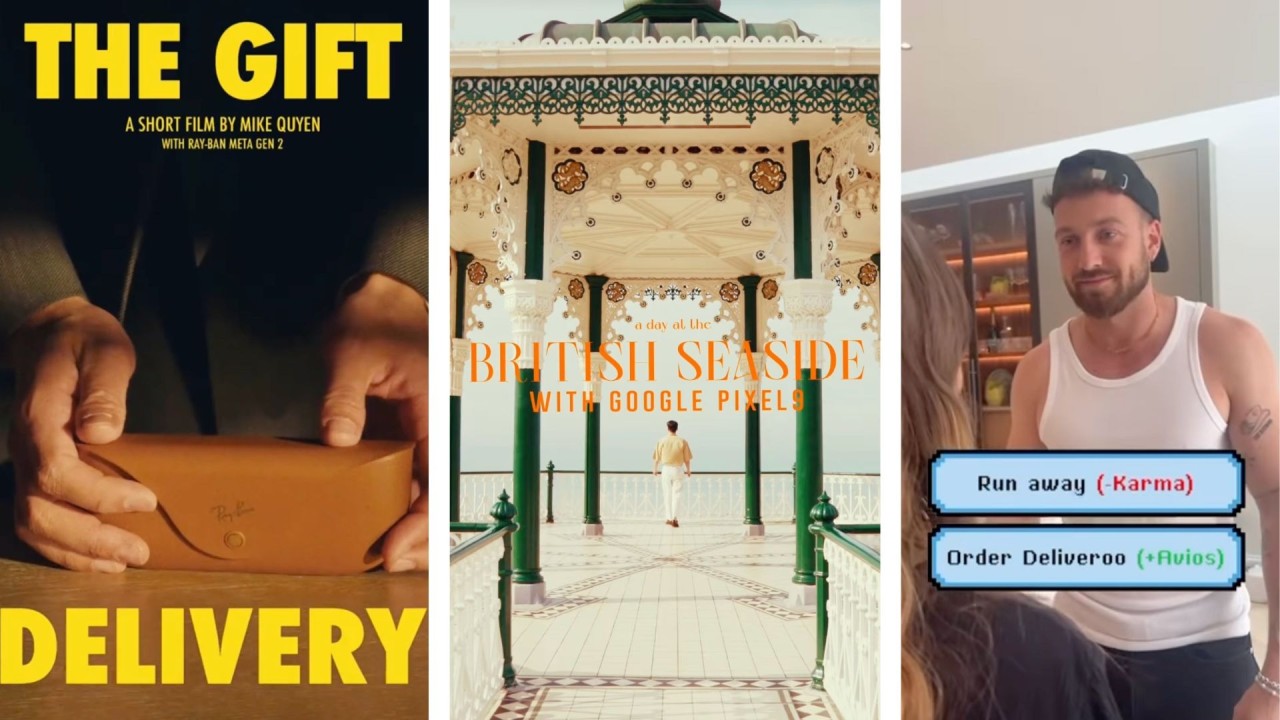
Gone are the days of face-to-camera content made by creators praising a “long-time favourite” they were actually sent last week. When it comes to creator marketing, audiences are over it. They see straight through it.
What’s left is a new approach to creator partnerships, one built on storytelling, not sales pitches. And yes, I say creator, not influencer. It’s important to make the distinction because these individuals are doing far more than influencing purchase decisions, they’re shaping narratives around brands.
They’re creating emotional bridges between brand and audience. They’re giving your brand a voice, a look, and a personality. We’ve moved beyond raw, one-off #ad posts and into an era where creators are building cinematic brand worlds.
For brands, that means the smartest move isn’t just getting creators to post about you, it’s about co-creating narratives with them. Because the future of creator marketing isn’t about pretending to be “authentic”, it’s about being creative, intentional, and unmissable.

But for most brands, forcing a product into a creator’s life and labelling it “authentic” just doesn’t wash anymore. We’ve moved into a post-authenticity era, where every creator #ad is questioned, and every “genuine” endorsement is met with a raised eyebrow.
This doesn’t spell the end of creator marketing, it just signals a shift in what this content looks like.
How brands leverage creators is changing
If you want to get a product in front of your audience on social, let’s stop pretending it’s anything other than what it is, an ad.
Gen Z in particular, don’t mind ads, as long as they earn their attention. This audience values creativity, humour, and relatability. They’ll happily watch a creator ad if it feels entertaining and true to the creator’s voice.
Because here’s the truth: to drive future sales, you have to drive memory. If people remember you, they’ll think of you when they’re next shopping in your category. And creators are effective tools for building those lasting mental connections.

To get the best results from creator partnerships, the content needs to stick. It needs to be memorable. That means letting creators do what they do best. They know what makes their audience tick, they’ve built their communities from the ground up. As a brand, your job is to trust that process.
That said, creative freedom doesn’t mean handing over a blank brief and hoping for the best. The sweet spot is co-creation- clear objectives, shared ideas, and room for the creator’s own creativity to shine through.
Some of my favourite recent examples that have been memorable for me include:
- Monzo x @kaitpark for its storytelling; partnering with a foodie/lifestyle creator to talk money in a relatable way for a younger audience.
- DFS x @samthompsonuk for its creativity; a humorous, cinematic sketch around buying a sofa.
- Absolutely any ad content created by @makemeaoffer, a filmmaker making content about his current living situation with his (iconic) parents on TikTok. If you check their feed, you’ll notice every other piece of content is an ad - does that make them authentic? Not necessarily. But is their content memorable? Yes. Their content unfolds like mini sitcom episodes, transforming their daily lives into an ongoing series you can’t help but follow.

So next time you’re planning a creator campaign, remember audiences don’t mind being sold to, just (please) do it in a fun way. Make it entertaining. Make it relevant. Tell a story. Because in this new era of creator marketing, the brands that win won’t be the ones shouting the loudest, they’ll be the ones that make audiences feel something.