

A passionate guitarist called Anthony S. Ferraro opened a box. Inside was a new guitar amp.
Another Instagram unboxing reel.

Nothing new there, really; guitarists receive amps all the time. They debate them endlessly: valves, tone, gain, headroom, warmth.
But this scenario was different. Because Anthony is blind. And the controls were labelled in Braille.
Not as a quick gimmick or a novelty feature. The actual interface, the knobs and controls that shape the sound, were translated into Braille so he could navigate the product himself.
Anthony had previously mentioned online that he’d wanted to try a Victory amp. But like most on the market, the controls weren’t accessible. All those tiny labels that shape tone, drive and volume were impossible for him to read without help.
Victory UK heard about this – they could have replied with a nice comment. Sent some merch. Shared the story. The usual social media sing-song. Instead, they did something much more interesting. They built him an amp with braille-labelled controls.
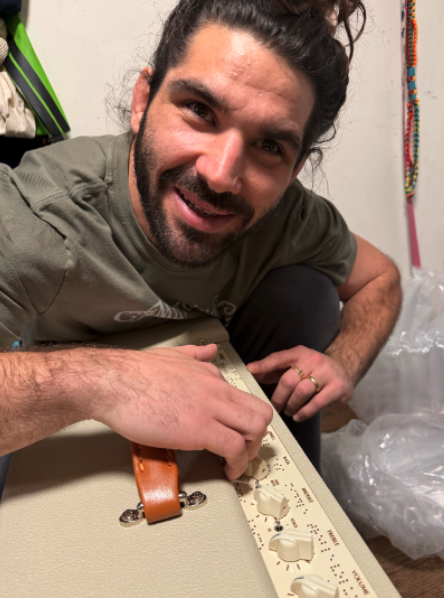
The moment Anthony realises what he’s holding – a piece of gear that was designed with him in mind, is pure joy. Something people want to share. The sort of reaction brands can spend millions trying to manufacture, but rarely capture.
The comments poured in. Not the usual quick assessments you see under brand posts, but genuine admiration.
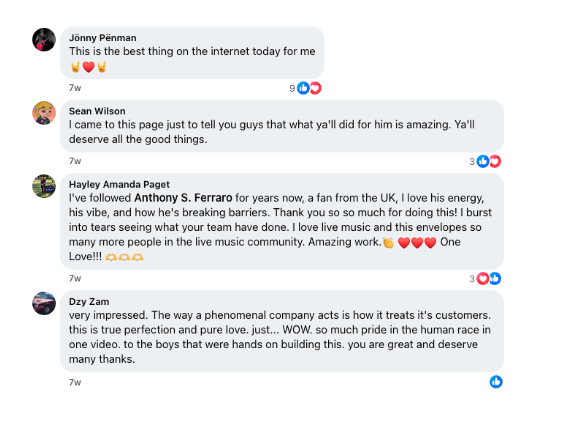
The way a phenomenal company acts is how it treats its customers. This is true perfection and pure love.”
“The most wholesome moment of 2026 so far.”
“Setting a new industry standard for 2026 and giving everyone a chance to make some music ”
Victory UK didn’t make an overblown ‘inclusivity campaign’ out of this. No PR storm, or a carefully orchestrated purpose platform. Just a brand noticing a problem – a musician who couldn’t read the controls on his equipment, then thoughtfully fixing it.
But the story didn’t stop there. Victory has now announced that future amps will include Braille control panels, effectively turning a one-off gesture into a proper shift in accessibility.
This one thoughtful fix has become a new standard.
Which is exactly how meaningful brand behaviour should work. Listen first. Start quietly. Solve something real. Then turn the volume up.
In this case, the idea wasn’t shouted from a 360º brand campaign; it was simply amplified by the genuine joy of the recipient.
And in doing so, struck a chord the whole industry can hear.